
Insights & Stories
The Sleepy Bear Blog and Article
Property strategy, rental tips, and real client stories from across Malaysia.
Conversation with Mr. Wong
We spoke to Mr.Wong for his property at United Point, Kepong after we completed his unit. As an experienced investor who already owned few properties across Malaysia, we asked him why did he purchase this property.
“有山有水…(it’s surrounded by mountains and water)”
Conversation with Johnson
We spoke to Johnson, a landlord of 3 bedroom unit at Lumi Tropicana, PJ after we have completed his unit. Listen to Johnson’s sharing on renovating for your investment property.
“Some buyers may want it furnished, some buyers may not.”
Tenant said Yes
Remember January 2020? The good old days. Parties with friends, celebration with family, all your fresh new years resolutions! 2020 was gonna be the year.
It started small for Alex — a call from work telling him he was on unpaid leave during the MCO. Well, no worries, a short holiday would be great! One week became months, with more and more news of businesses shutting down all around the globe, raising uncertainty haunts Alex during the night. And with reduced income, his savings rapidly draining and rent and bills demanding to be paid, Alex’s holiday had become a horrible nightmare.
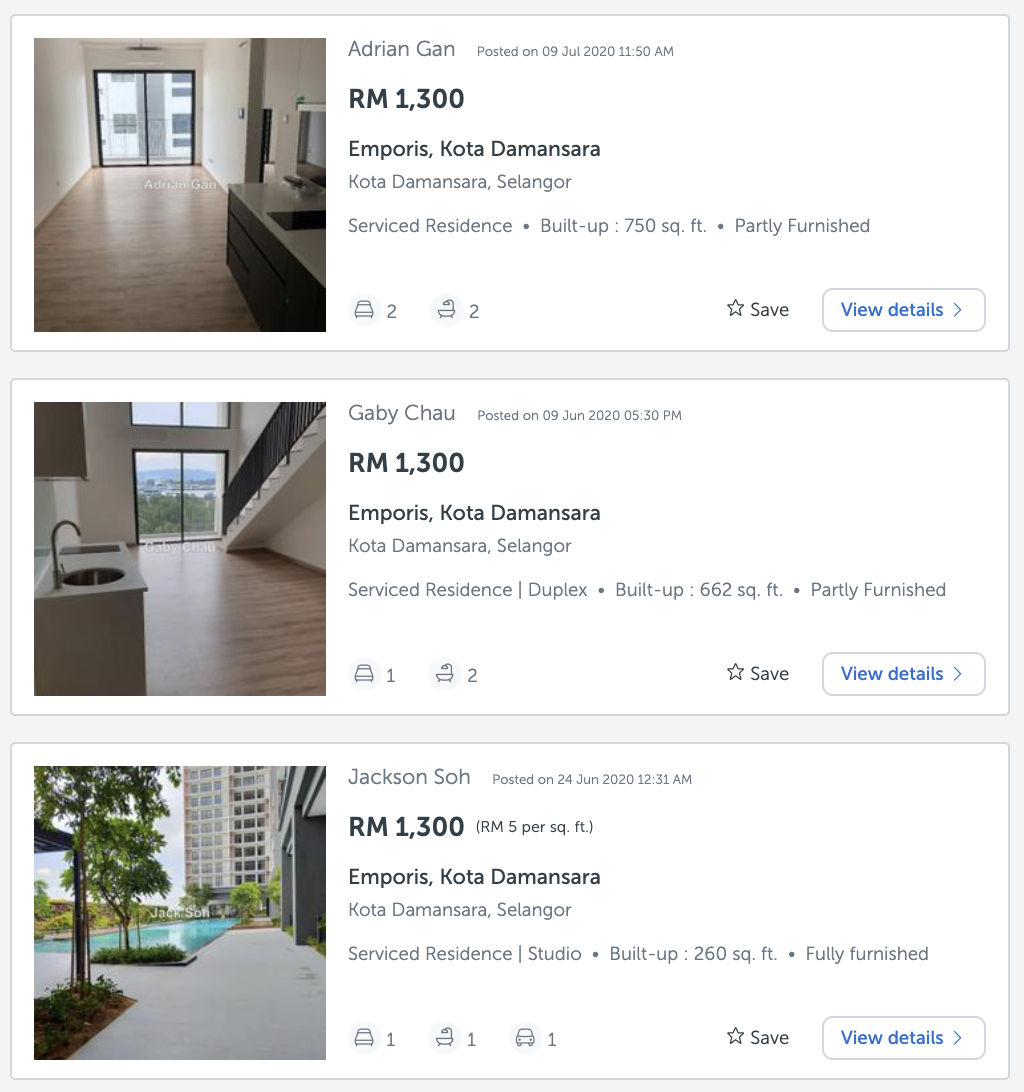
Adapt or die. Alex reviewed his financials, and found rent to be his biggest expense, RM2,700 per month — but unfortunately, his landlord refused his pleas for a rent reduction. Taking a more conservative stance, Alex decided to move to a new place with his girlfriend after the current tenancy has ended. A quick search online left him pleasantly surprised — many of the rentals were now cheaper than the lease he’d signed 2 years ago.
With many apartments in a desperate state, he was confident he could land an affordable bargain. Alex started bargaining for a few rental units nearby. “There’s another unit on 12th floor renting at RM1,300 only, and it is two bedroom! Can you do RM 1,100?”
Everything changed when he saw this designer unit in a move in ready condition. Pristine, perfect, internet and virtual butler service included and only RM2,200? He couldn’t book in fast enough. No longer did he have to lie awake picturing the disappointment on his girlfriend’s face, told they may have to move for a downgrade. The shame and embarrassment — gone, replaced by relief, joy and excitement to break this great news to his girlfriend. It was time to move into their stylish new lives, where they couldn’t wait to share on their Instagram story, and proudly invite their friends over (after MCO of course)!
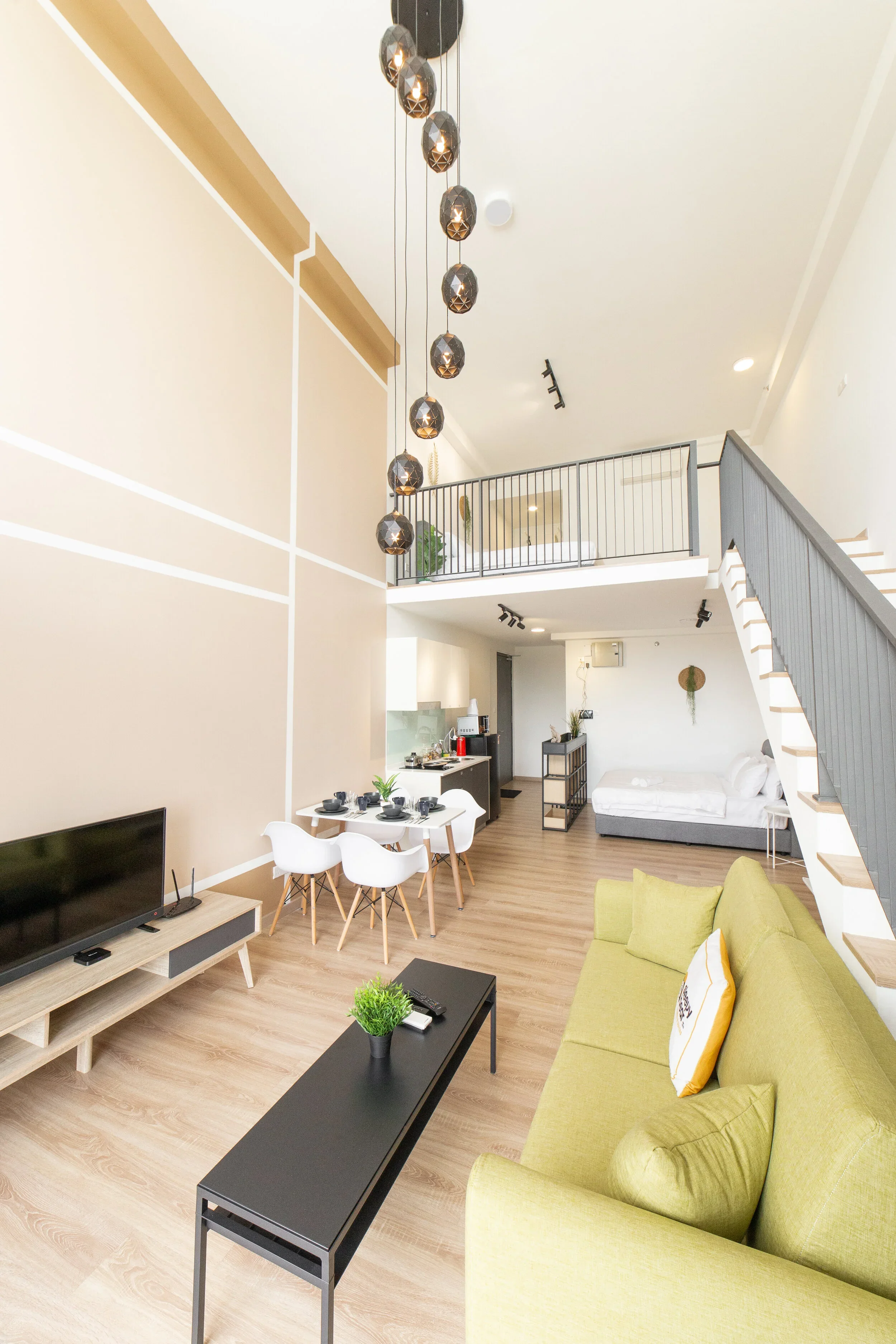
Scientific studies have proven that emotion is what really drives your purchasing behaviours, and also, decision making in general. There are hundreds to thousands of identical units available in a building, so the aesthetic of a unit is the biggest weapon to trigger the emotion of your tenant, other than a competitive rental price. If the tenant loves it, they will be able to justify to themselves why they need to rent this particular property of yours. The value of your rental property lies in the enjoyment and lifestyle of your tenant, which is irreplaceable by other properties at a lower rent.
Airbnb, Malaysian Law and You. Is Airbnb Legal in Malaysia?
Here’s the question, is Airbnb legal in Malaysia? Can I rent my condominium or apartment on Airbnb? There is no question Malaysia’s short-term rental industry is booming. Over half a million guests stayed at Airbnb’s in Kuala Lumpur during 2017, and with Malaysia’s tourism contributing over RM80 billion to the local economy per year, Airbnb and other short-term rental platforms are becoming more and more attractive to attentive property owners.
Short-term rentals have a lot going for them – they’re flexible, easy to administer (particularly with the help of professional property managers), and really take advantage of flourishing tourist numbers to deliver better returns than traditional rentals.
But among all the amazing news, you may have heard some stories of legal doom. “I heard that condominium just banned Airbnb”, says your friend’s cousin. “I heard running an Airbnb is actually illegal”, mentions your nosey neighbour. So, are these stories true? Could you be in trouble by jumping into Malaysia’s booming short-term/homestay rental market?
The short answer: in 90% of cases, no.
Let’s dive into a little more detail and sort some of the truth from the rumours with a handy little list of questions you can ask yourself about your potential short-term rental unit.
1. Is my property on a residential title?
If your unit is situated on a residential title development, there are some checks you should do to determine if there may be any obstacles to running an Airbnb.
a. Are short-term rentals prevented under your development’s by-laws?
If your development’s by-laws contain terms that prohibit short-term rentals, you won’t be able to operate an Airbnb without violating the building’s by-laws. This could result in a maximum penalty of RM200 per violation, as per section 32 of the Malaysian Strata Management Act 2013.
If your development’s by-laws do not contain terms prohibiting short-term rentals, you’re in the clear! However, even though it is always a host’s responsibility to operate homestay rentals without causing any disturbance to the neighbours, you are advised to be extra cautious and low profile in this type of buildings. If the neighbours feel disturbed, they can then vote to implement a new bylaw to ban Airbnb in the next AGM. Continue reading below to understand more about it!
b. Can a development ban short-term rentals?
Yes and no – again, it gets a little tricky.
In residential developments, the Joint Management Body or Management Corporation can impose rules and by-laws by to regulate the use and enjoyment of the building – with a potential for fines for owners that breach any by-laws. These rules are established by building management voting them into effect during their Annual /Extraordinary General Meetings. Banning short-term rentals would require a special resolution, which needs 75% of the meeting votes to pass (instead of a simple majority like regular resolutions). So yes, building management can certainly try to ban Airbnb.
However, section 70(5)(a) of the Malaysian Strata Management Act 2013 states:
“No additional by-law shall be capable of operating to prohibit or restrict the transfer, lease or charge of, or any other dealing with any parcel of a subdivided building or land.”
As the Act does not restrict a lease to have a minimum length, a lease can be of any length from 1 day to years. A by-law banning short-term rentals would restrict the lease of a unit. This would be inconsistent with the provision quoted above, and would make the special by-law, if enacted, legally questionable.
Having said that, challenging the building management or JMB with this clause might be time consuming or costly. It is more advisable to avoid any confrontation by hosting with a low profile. For example, you can set a minimum number of nights to 7 nights to reduce the traffic to your property and attention received.
2. Is my property on a commercial title?
If a development has a commercial title, there should be no issues running Airbnb in that development. Typically, mixed development, serviced apartments, SoHo and SoVo units are located on commercial titles, so running an Airbnb in these units should not pose any legal issues.
It is quite common that sometimes the management or JMB of such buildings also attempt to ban Airbnb, unknowing of the rights of the owners over their commercial title properties. Most of the time these happened simply due to lack of knowledge and confusion when they learnt that other condominiums have successfully banned Airbnb. However, based on what we gathered from different sources, confirms that homestay rental is allowed in any properties on a commercial land title.
If you are an owner of such building and is being penalised or banned from renting on Airbnb, here’s what you could do.
Check with your management or JMB whether they are aware of your rights as the owners over short term rentals in a commercial title building.
If they are unsure, or insist, request them to clarify with your city council before enforcing any ban or penalty on you.
3. Is my property located in Sabah?
Sabah is the only Malaysian state where the state government has declared Airbnb illegal. If you’re located in Sabah, sadly, you’re out of luck.
If your property is located anywhere else in the country, there are no federal or state laws banning short-term rentals like Airbnb. There was a period in 2016 in which Penang Airbnb hosts were facing strict clamp downs on Airbnb properties, with Majlis Penbandaran Pulau Pinang (MBPP) coming after them with fines and summons. However, this enforcement seems to have slowed down since.
Riding the short-term rental rush
Malaysia’s Airbnb boom is in full-swing, and it doesn’t look like slowing down anytime soon. According to Airbnb, Malaysian hosts welcomed 1.5 million guests in 2017 alone – and it’s only risen from there, feeding Malaysia’s exploding tourism industry and helping to cover the 23,600 daily hotel room shortages.
Will the government ban short-term rental? It’s impossible to say for sure. However, with the importance of tourism to the Malaysian economy and additional benefits of short-term rental for the local property market, market leaders expect that any position taken by the government of the day will be supportive of the short-term rental industry.
With short-term rentals largely legally secure in Malaysia, now is an ideal time for property owners to tap into this prospering market. Whether you run your own Airbnb or engage professional, hassle-free property managers, this is your best opportunity to maximise your investment’s growth and ride Malaysia’s short-term rental wave.
See updated news about Airbnb legality here.
Legal Disclaimer
Sleepy Bear has made every attempt to ensure the accuracy and reliability of the information provided on this website. However, the information is provided "as is" without warranty of any kind. Sleepy Bear does not accept any responsibility or liability for the accuracy, content, completeness, legality, or reliability of the information contained on this website.
No warranties, promises and/or representations of any kind, expressed or implied, are given as to the nature, standard, accuracy or otherwise of the information provided in this website nor to the suitability or otherwise of the information to your particular circumstances.
How can one stop you from running Airbnb or short term rentals?
Malaysia has encountered a rise in Airbnb accommodation as the popular vacation rental platform allows owners to rent out their properties to guests and at the same time, provides guests better and more affordable accommodation choices.
Based on an Airbnb survey of more than 2,000 Malaysian hosts and guests, half of the Airbnb hosts said it had helped them pay for their homes while 40% said Airbnb provided a supplementary income for them to make ends meet. As more Malaysians are relying on Airbnb to settle their mortgages, Malaysia has been Airbnb’s fastest growing country in Southeast Asia for two consecutive years straight.
This may inspire you to turn your own home into an Airbnb but before doing so, here are the things you need to look into.
Although the government has declared that Airbnb is legal, apartment and condominium owners may only rent out their units on Airbnb if their management’s bylaws permit it. In the court case of Verve Suites Mont Kiara Management Corporation v Innab Salil and 20 others (Kuala Lumpur High Court Civil Suit No. WA-22NCVC-461-09/2017), the federal court has ruled that management corporation communities of residential strata buildings have the right to prohibit short term rental of residential units in buildings.
Under the Strata Management Act 2013, your building’s Joint Management Body (JMB) aka condo management has the right to make additional by-laws as they see fit.
This court case is the first precedent case concerning Airbnb or short stay in Malaysia, and its outcome is likely to set an example for similar coming cases.
What does this mean to unit owners?
It is up to your building’s management whether or not you’re allowed to host an Airbnb. Hence, be sure to check with your condo management if Airbnb hosting is allowed in order to avoid violation and all the hassles that follow. Otherwise, you may be fined up to RM200 for each infringement.
Homeowners’ MCO 2.0 Quick Guide
Due to the increasing number of positive COVID-19 cases, the government has imposed the second Movement Control Order (MCO 2.0) in Malaysia. If you live in a strata development and you are unsure about what you can or can’t do with your home during MCO 2.0, this article is for you!
1. Viewing of PropertyFor safety purpose, visitors/potential tenants may not be allowed to view the property.
Suggestions:
Check the latest Memo with your building management. If viewing is not allowed, sending videos of your unit to potential tenants is much more useful than photos. A video call viewing would work too. Even before potential tenants visit your property, a virtual tour is ideal because it helps to filter genuinely interested tenants from “passers-by.”
2. Renovation
Renovation is potentially not allowed during MCO 2.0, or with special rules such as swab test result is required, but critical repair of buildings, offices or personal residences are allowed. Most of the building management would request for the Covid-19 test results for all workers involved in the renovation before they commence work.
Suggestions:
Ensure the engaged construction company made an application to MITI for permission to carry out any critical construction. Book your renovation earlier as contactors are affected by MCO and might result in longer lead time.
3. Guests & Tenancy
If your unit is rented out for short stays aka Airbnb, remember to check with the building management if guests are allowed to check in during MCO 2.0.
Suggestions:
If guests request for cancellation or you're not able to accommodate them due to MCO restrictions, encourage a change of date to your guest rather than to .
MCO rules making you dizzy? Ask us anything here if you have any concerns regarding your property or rental.
How to Strategize Your Rental Property
Owning a unit but it is not being utilized at this time? Still think yearly tenancy is your only option to rent out the entire unit? Apparently, it is not.
Bigger units with 2 rooms and above are not only suitable for long term rentals but also highly in demand for short stays. Why short stays, you might wonder. Here’s the reason: families & friends in a large group typically prefer a private & large accommodation space over hotels for their getaway. Besides, you may also consider renting by the room rather than renting out the property as a whole. Room rental typically ranges between RM500 to RM1200 per room. Renting individual rooms gives you access to multiple tenants, which means multiple rent checks. With co-living, you can rent rooms to students, young professionals etc. to yield higher rental income.
Owning a smaller unit with less than two rooms? If your small and compact units are located at touristy areas, business districts and has convenient access to public transports, you may find short stays more favourable than long term rentals. Aside from demand, short stay daily rates of these strategic locations can go up to RM 200 per night. This allows short stay rental to more easily beat the rental return of a traditional tenancy for this type of properties. Why smaller units may not be suitable for room rentals? With limited space, it's difficult to make space for partitioned rooms and rent by rooms.
Never blindly jump into property rentals without a strategy. You may think short-term rental is the trend yet it may not be suitable in your property's area. Turning your home into a rental property may seem like a simple task, but there are a lot of details that need to be worked out before your tenant moves in too. Will your tenants pay a flat rent fee monthly, or will they be responsible for a portion of the utilities? How should utilities be divided among room tenants? What about access to other common living areas? All these details need to be worked out, and discussed, before your tenant moves in. Still unsure what to do? Get your free consultation from us here.
Top 3 Properties to Look Out in 2021
If you’re in the market to look for a new home or investment property, here are 3 properties to look out for in 2021.
1. Arte Mont Kiara
This 1,707 residential unit development is located just behind Solaris Dutamas. As most are aware, Mont Kiara is a vibrant and upscale area, buzzing with commercial and residential activity and is surrounded by schools, universities, offices, restaurants, shopping malls, and hospitals. Everything a young family will need.
Designed by London-based SPARK Architects, Arte Mont Kiara features chic retail area at the ground level, and urban living concept designs that mimic French and retro lifestyles that a private clubhouse would offer. Luxurious, grand, wow, and for the investor, better appreciation from the elevated buzz which is likely to translate into demand.
2. Lumi Tropicana
Lumi Tropicana is an urban cocoon of modern-day living right in the heart of Petaling Jaya and is truly a place where lifestyle, leisure and business come together to form a community that is shaped by its residents. The actual location is at the prime area of Tropicana and just a stone’s throw away from Tropicana Golf and Country Resort. The surrounding condominium around Lumi Tropicana will be the likes of Tropicana Avenue, Casa Tropicana and Tropicana Grande. Step out and in mere minutes you will find a world of dining, shopping, and entertainment hotspots to satisfy your every need.
In terms of facilities, it has a sky pool featuring an aquatic paradise 190 metres long. Built in a curved formation, swimmers will enjoy panoramic views of the Tropicana Golf & Country Club in this infinity pool that is 40 metres longer than the one at Marina Bay Sands in Singapore.
3. Astoria Ampang
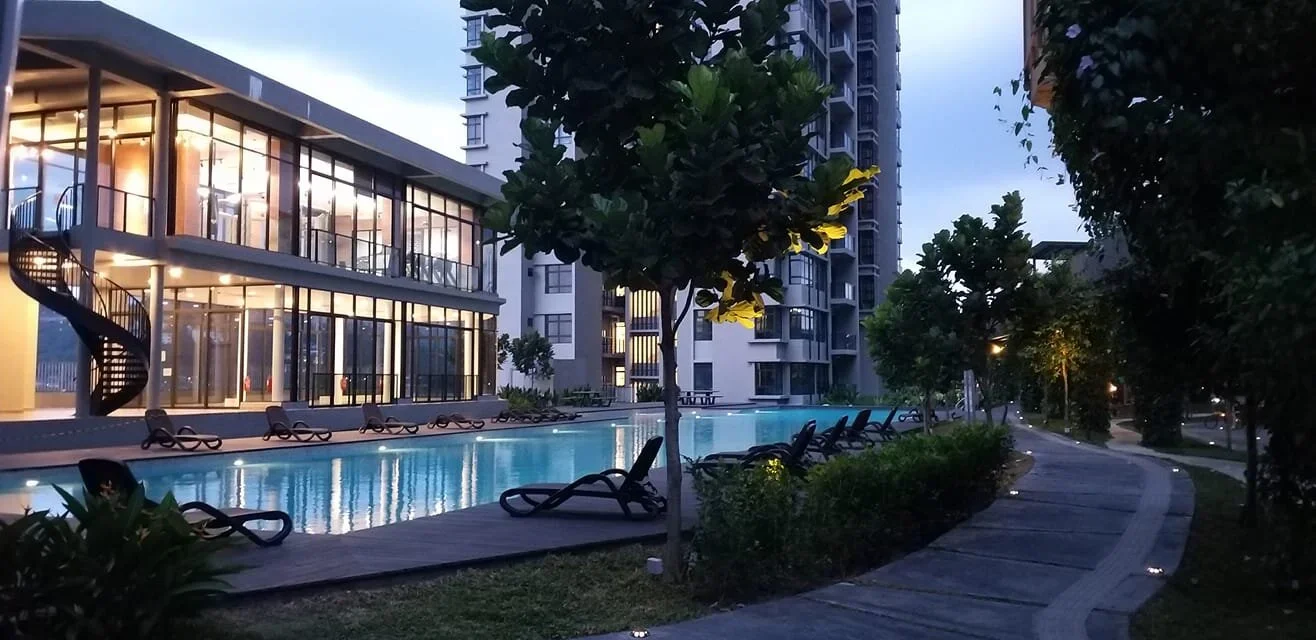
Astoria boasts of a luxurious services apartment development at Jalan Ampang, with all units featuring vast windows with a 10-foot ceiling overlooking the stunning city views outside. Its dual key concept, essentially a unit within a unit with separate entrances, is to allow for city-dwelling multi-generational families to live separately yet together; or for subletting or to have two income producing properties for the price of one. This concept is surely a good idea for owner-occupants or buy-to-let investors looking for rental yield.
Owning a unit in a good location is not enough. The very next thing is to decide what to do with the unit. Short term rental? Long term rental? Co-living? Let us help you to strategize to have the maximum return. Get free consultation here.
Case Study: From Vacant Property to Getting 80% Occupancy Rate in 1 Month
The NO.1 worry of property investors/owners is always a vacant property. Our clients have been telling us how worried they were with the on and off MCO. The truth - we were too, but we did not stay still and kept pushing forward. By redesigning our rental strategies and learning to go with the flow, we are proud to say that we've helped our clients to generate rental yield even in the uncertainty.
Here’s a quick case study on our 4 bedrooms’ unit in United Point Residence.
Like all of us, the homeowner at United Point Residence is busy with his job, family, and other interests. He does not want the burden of a business around his neck by spending all of his time managing his rental property, and that is why we come on the scene.
After being appointed to manage the homeowner’s unit at United Point Residence, our team listed the unit on Airbnb and managed to secure bookings with over 80% of occupancy rate in the first month of launch itself for short-term rentals.
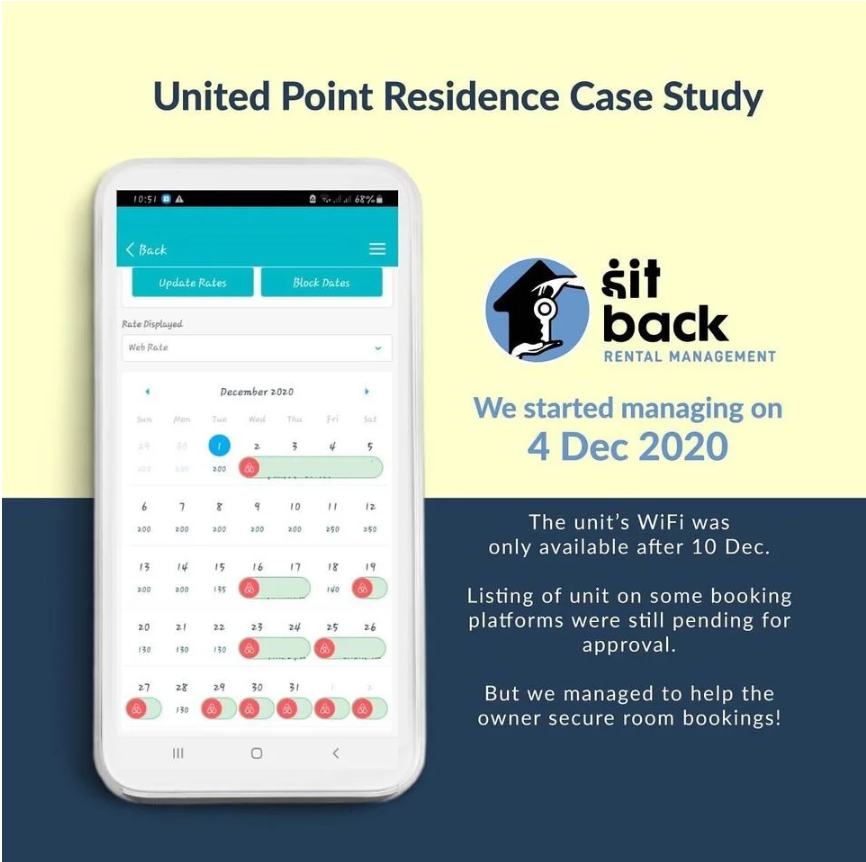
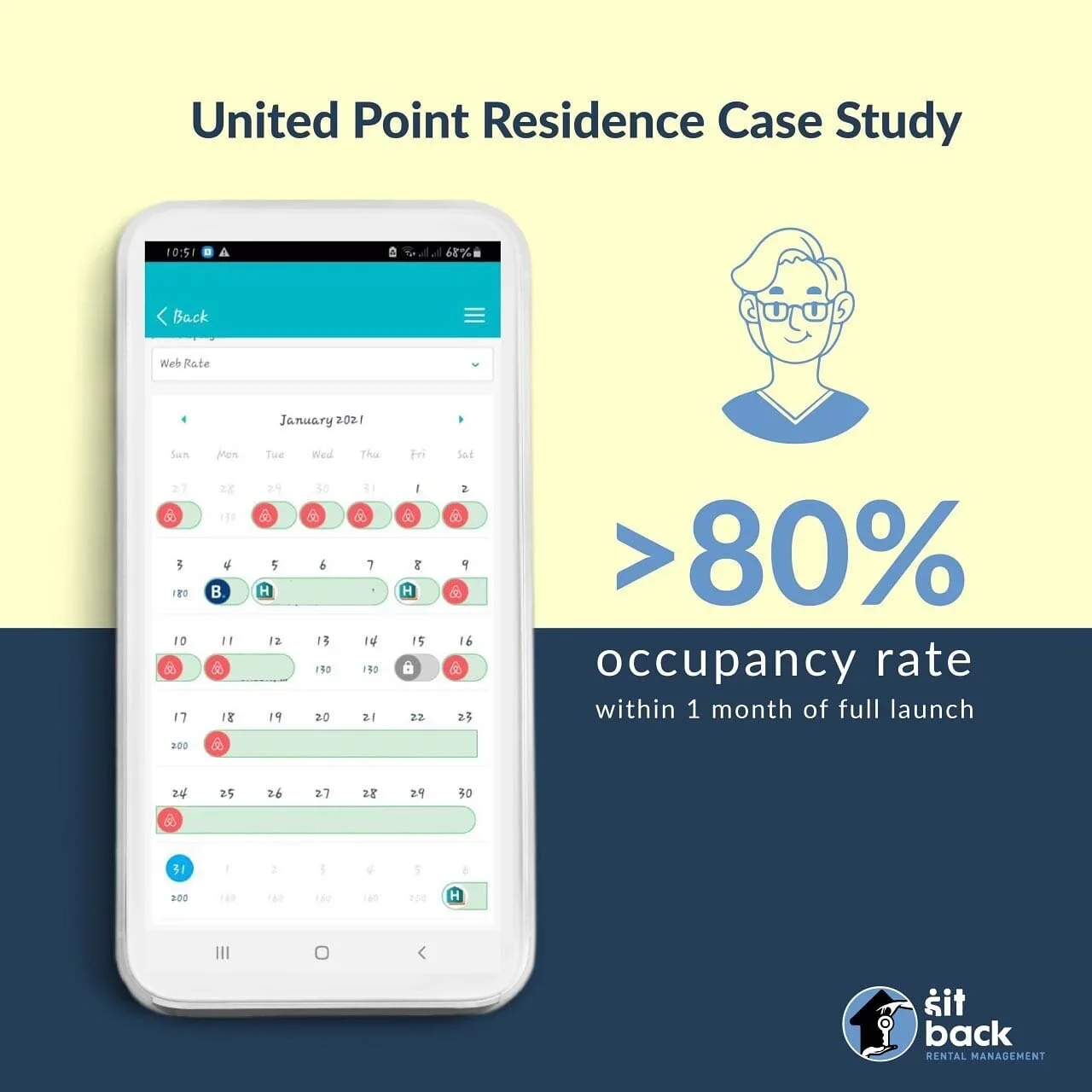
Thanks to our homeowner at United Point Residence for the trust in us, it gives us the drive to help more homeowners like you.
Have a look at what our homeowner of the unit at United Point Residence has to say in the video below:
Want to achieve your rental property goals too? Get a free property analysis from us here.
Top 3 Challenges with Airbnb Management
Increasing numbers of Malaysian homeowners are earning extra income through Airbnb, but this isn’t without its challenges. Know what to expect going in – and have strategies in place for handling commonly experienced issues – and you’ll be better equipped to run a successful Airbnb business.
1. Competition
With an increasing number of units being listed on Airbnb every day, it is important to know how will the constant addition of new places to rent affect your ability to consistently get bookings. If you’re a new host, identifying your competitive set is crucial to determining your initial base rate and how to market your listing. By doing so, it will give you insight into the constant movement, rates, and supply within your area.
When building or updating your listing, photos, headlines, or descriptions are three important factors to attract guests’ attention. Look for common words or phrases used in the titles and descriptions on the most booked listings. These words or phrases could be landmarks, or nearby transit options. The constant growth and change of Airbnb will definitely affect the future performance of your listing. Analyzing your competition on a regular basis will help you make adjustments to book more and earn more as well.
2. Guest Management
As guests are paying for the privilege of staying in your home, it’s reasonable for them to expect certain things in return. However, some guests may be unreasonably demanding – and this can easily eat into your time, Airbnb earnings and patience levels! Worse, you might encounter guests with the attitude that they've paid for it, so they can break it. Others might even host wild parties that leave your place in tatters. Therefore, the best way to manage demanding guests is to create a list of house rules outlining what you will and won't do. Leave it in a prominent position in the room or, better still, list in clearly on your Airbnb listing. That way, there won’t be misunderstandings or arguments.
You’ll have to coordinate with your guests so that they arrive at your home smoothly and if throughout their stay they have any issues, you should be available to help them out and answer any questions they may have. Doing all this not only helps your guests feel comfortable, they are also more likely to leave a positive review on your listing. On the other hand, power outages, faulty appliances and Wi-Fi interruptions can have a disastrous effect on your guests' experiences of your Airbnb home too. The speed at which you respond to an emergency is crucial and determines whether you get a good, bad or indifferent guest review.
3. Algorithm
Although Airbnb hosts can control how often and at what price they are booked by guests. For example, they can change their profile title and description, modify their listing’s photos, or offer discounts. However, demand from guests is highly affected by how Airbnb represents hosts on its platform. For instance, when Airbnb guests search the site to reserve accommodation, the order in which different listings are shown in the search results could affect their likelihood of being booked. Successfully catering to the algorithm's quirks can mean the difference between a top-ranked listing that is seen by countless guests, and an also-ran rental that remains buried at the bottom.
Airbnb is a purely organic search engine and this means there is no “pay to play”. Airbnb’s algorithm cannot be gamed by paying more money. As a long-time professional host on Airbnb, we have gained experience and explored a ton of the Airbnb ranking factors. Most hosts are interested in growing their short term rental business and the best way to do that is by optimizing your listings to satisfy the needs of both the search engine and the guests. Hence, it is important to indicate things like listing quality, trip experience, ease of booking, and guest preferences in your listings. The higher your listing is on the search results page the more bookings you will receive.1. Competition
Top 3 Challenges with Tenancy
An investment property can be an excellent financial move, but it is not all portfolio building and cash flow. Managing tenancies comes with a range of challenges to deal with. Here are the top 3 challenges faced by landlords and how to deal with them.
1. Rental Collection
Constantly dealing with tenants who do not pay on time can be incredibly frustrating, especially if they are repeat offenders. Also, waiting on tenants to pay could be financially draining for landlords. If that situation sounds all too familiar, consider trying these ideas to improve your chances of consistently collecting rent on time:
Strictly enforce your rent collection rules
Follow up with tenants as many times as necessary to collect rent
Screen tenants, thoroughly so you can choose those who are likely to pay on time every month.
2. Competition
New properties are being added on a daily basis and they are all competing for the same thing as you are: the ideal tenant in the shortest possible time frame. Imagine you are doing some online shopping: What would make you stop and click? It’s a similar story when it comes to your property.
Finding a balance between maximizing profit and accommodating tenants are problems landlords face. Keeping your rental prices comparable to the competition is key to success as a real estate investor. One easy solution to avoid over-valuing your rental property is to compare your rental prices to those that your competitors are offering. Seeking out comparable properties and averaging out their rental prices can give you a sense of just how much you should be charging, given the overall real estate market and your particular location.
Smart interiors are key to winning in the highly competitive property market. As there are hundreds of identical units available in a building, the aesthetic of a unit has become the biggest weapon to trigger the emotion of your tenant, other than a competitive rental price. If the tenant loves it, they will be able to justify to themselves why they need to rent this particular property of yours. The value of your rental property lies in the enjoyment and lifestyle of your tenant, which is irreplaceable by other properties at a lower rent
3. Tenant loyalty
High tenant turnover can kill your cash flow fast. Losing a tenant requires you to spend time and money advertising, showing, running background checks, and doing the necessary administrative work to get one tenant out and another one in. On top of that, your property does not generate any money for you while it’s vacant. So, if you spend a lot of time trying to find a new tenant, you could find yourself in severe financial trouble.
A couple of quick tips to reduce turnover include communicating with tenants regularly, and making sure repairs or maintenance issues are settled in a timely fashion, if there is any. The longer tenants have to deal with property maintenance issues, the more likely they will want to move when their lease is up.
Some renter turnover is inevitable, unfortunately. However, it is possible to prepare ahead of time for renter vacancies by getting leads on potential new renters to replace the ones who are leaving. The issue then becomes how to get these leads.
Property management is a critical part of being a landlord, but it certainly is not easy. You must screen tenants, collect rent, deal with complaints, keep your tenants happy, and more. All these tasks can take a toll on any landlord, especially those who would rather not deal with stressful property management tasks. If that sounds like you, let us help you so that you can just sit back and relax. Get your free consultation here.
How to maximise ROI on a rental property
There are a number of ways you can help maximise your return on investment for rental properties.
1) Have it occupied as much as possible
Rental yield calculations are based on the amount you earn in a year. The more you utilise your property to generate rentals, the higher your rental yields.
Instead of leaving it vacant and missing out on your potential rental, consider a slight decrease on rent to encourage a long-term tenant.
2) Plug the gaps with holiday rental
Short-term holiday rental can be a quick-fix solution to buy you time for searching a mid-long term tenant. Switching between short and long term stay nimbly could generate a maximised rental yield for your property.
As long as it doesn’t breach the laws of your residency, state, or building, then a short-term holiday rental could ensure an income when tenants are scarce.
3) Choose a cheaper property
While it might be tempting to buy a luxury condo for your first rental property, an affordable apartment may very well be a better choice.
While the total value of rent may be lower, it may be easier to rent your property out. Back to point 1, the more your property is rented out, the rental yield itself could be far more favourable.
4) Buy in a favourable renting area
With changing lifestyles, there’s no doubt that living in rental properties is an attractive proposition, particularly for younger age groups.
That means rental properties in areas that are favourable with younger demographics could be a smart choice.
That’s particularly true of areas with reliable short-term populations such as LRT, MRT, educational hubs and near major universities.
5) Make it look good
Don’t forget to market your property as well as you possibly can! The first thing your tenant see on their searches are the photos of your unit.
That means make it clean and smartened up, add a good variety of photos that show it in a positive light, is the first step to attract your tenants for a viewing.
Do note that renovating and decorating could be different for rental and your own stay. Spend wisely for a better ROI without overkilling with expensive features, yet you want to make sure that the outcome is attractive and memorable.
Conversation with Mr. John
Why Mr. John Chose to Invest Again at Gaia Residences — With Sleepy Bear by His Side
We recently had the pleasure of speaking with Mr. John, one of our valued property partners at Gaia Residences, Rawang. His journey with us began when he listed his first unit on Airbnb under our management. Pleased with the performance and seamless experience, he made a confident decision just a few months later he purchased a second unit in the same development and once again entrusted Sleepy Bear to manage it.
As an experienced property investor, Mr. John had a clear reason for expanding his investment at Gaia Residences. When we asked him why he chose to buy another unit there, his answer was simple: confidence in the system and hassle-free management.
"With Sleepy Bear handling everything, I don’t need to spend time or energy managing the property. I get to enjoy true passive income," he shared.
His experience reflects what many modern property owners are looking for—a reliable partner who can help turn property investment into hands-off income. At Sleepy Bear, we’re proud to make that possible through expert operations, dynamic pricing, and guest-ready service.
Whether you're a first-time host or a seasoned investor like Mr. John, our goal remains the same, to help you grow your property income without the hassle.
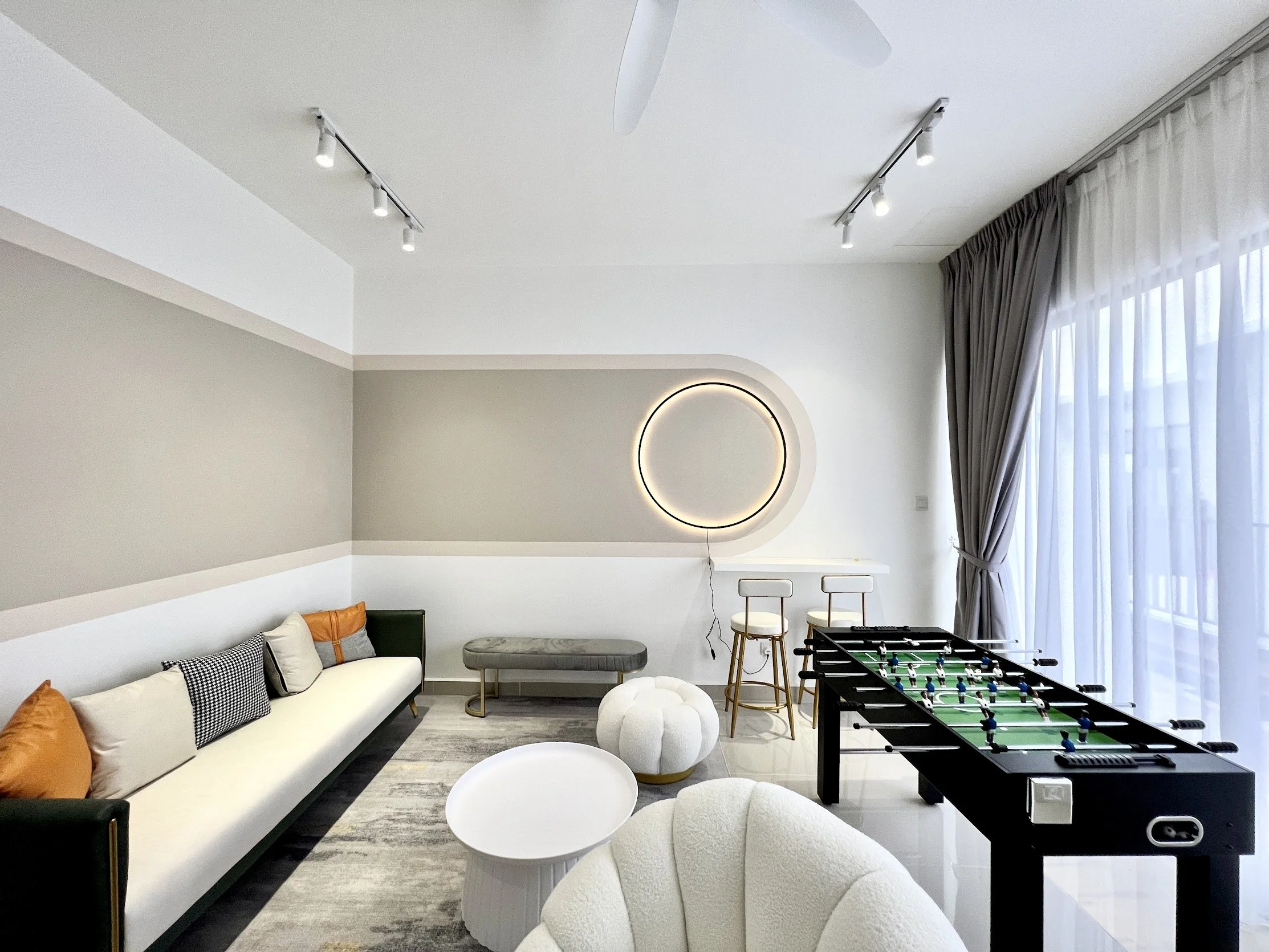
Elevating Township Living: The Gamuda Gardens Hospitality Transformation
It All Begins Here
In the heart of thriving townships like Gamuda Gardens, the challenge for developers is often maintaining high occupancy and "vibrancy" during the post-handover phase. Sleepy Bear Group partnered with Gamuda Land to bridge the gap between residential sales and lifestyle destination marketing. By introducing professionally managed hospitality suites, we transformed quiet residential blocks into active, high-demand staycation spots. This collaboration allows investors to see immediate utility in their purchase while providing the township with a constant flow of visitors who contribute to the local ecosystem.
Project List
Gaia Residences (Gamuda Gardens): Turning modern apartments into nature-inspired getaways.
Maya Bay Residences (Gamuda Cove): Implementing resort-style hospitality in a high-growth eco-township.
Project Gallery
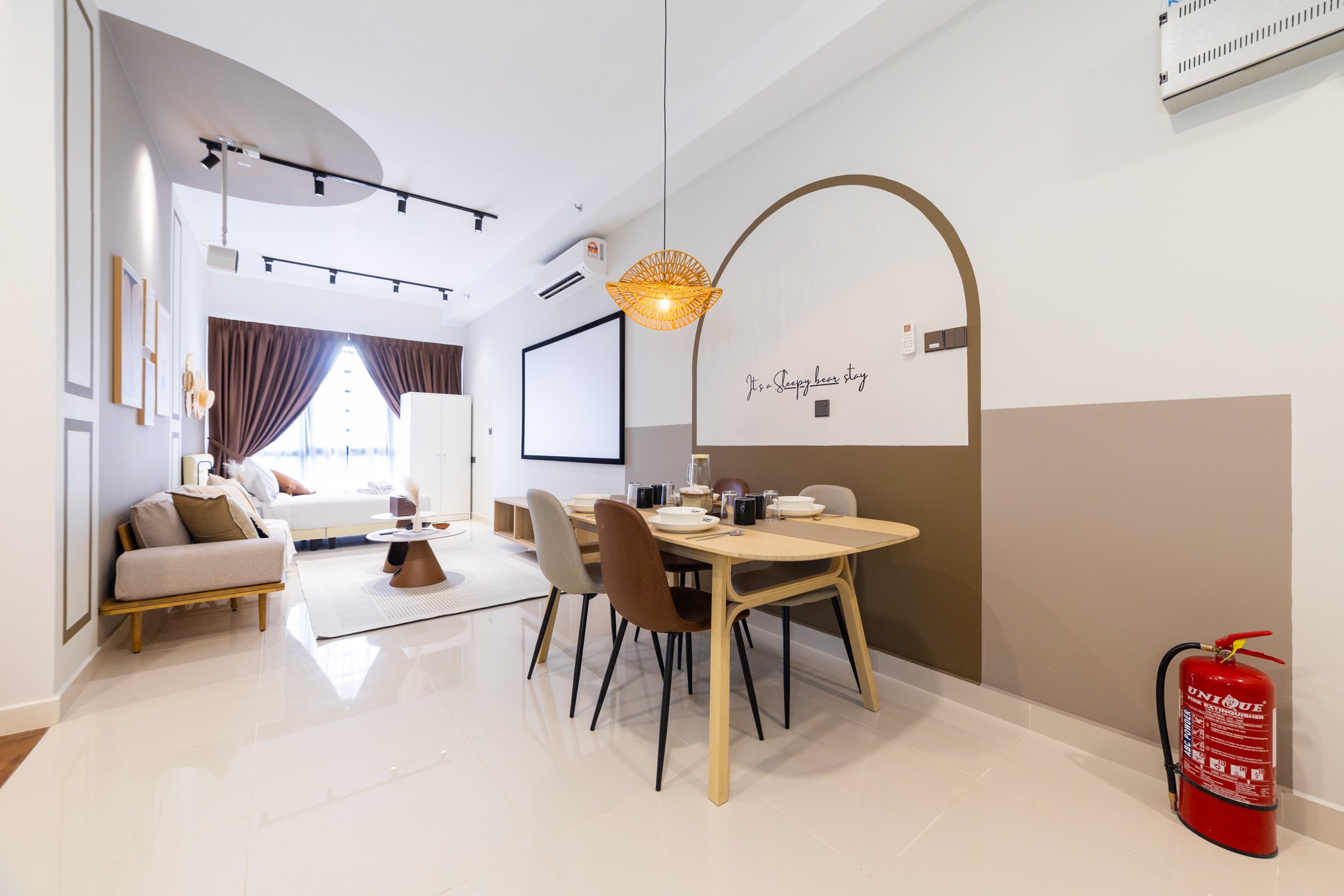
The Result
Enhanced project "buzz" via social media-friendly unit designs.
Immediate rental yield for Gaia Residence investors through SBG’s short-stay management.
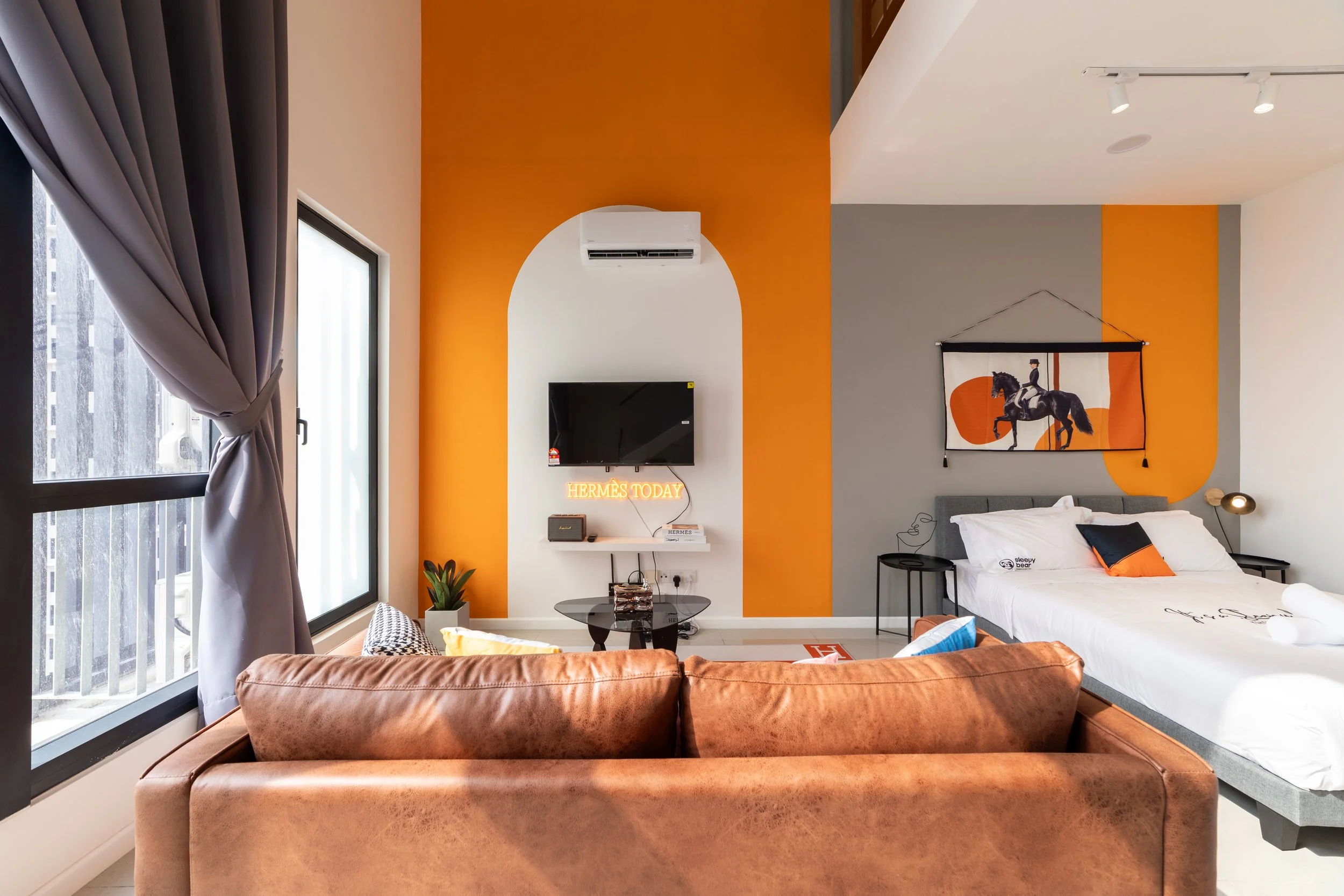
Artistic Stays: Scaling Unique Short-Stay Experiences at Arte Star & Solaris
It All Begins Here
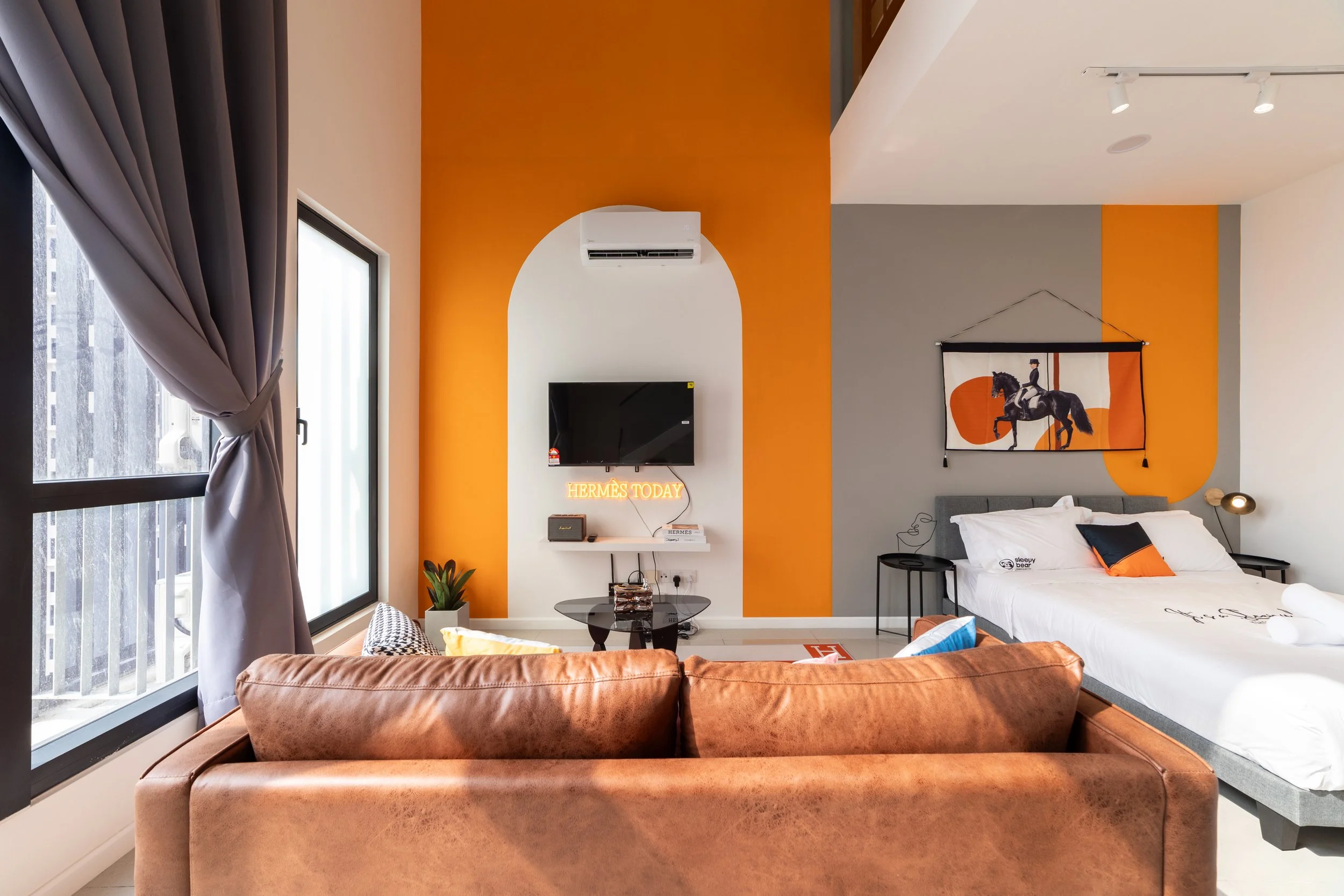
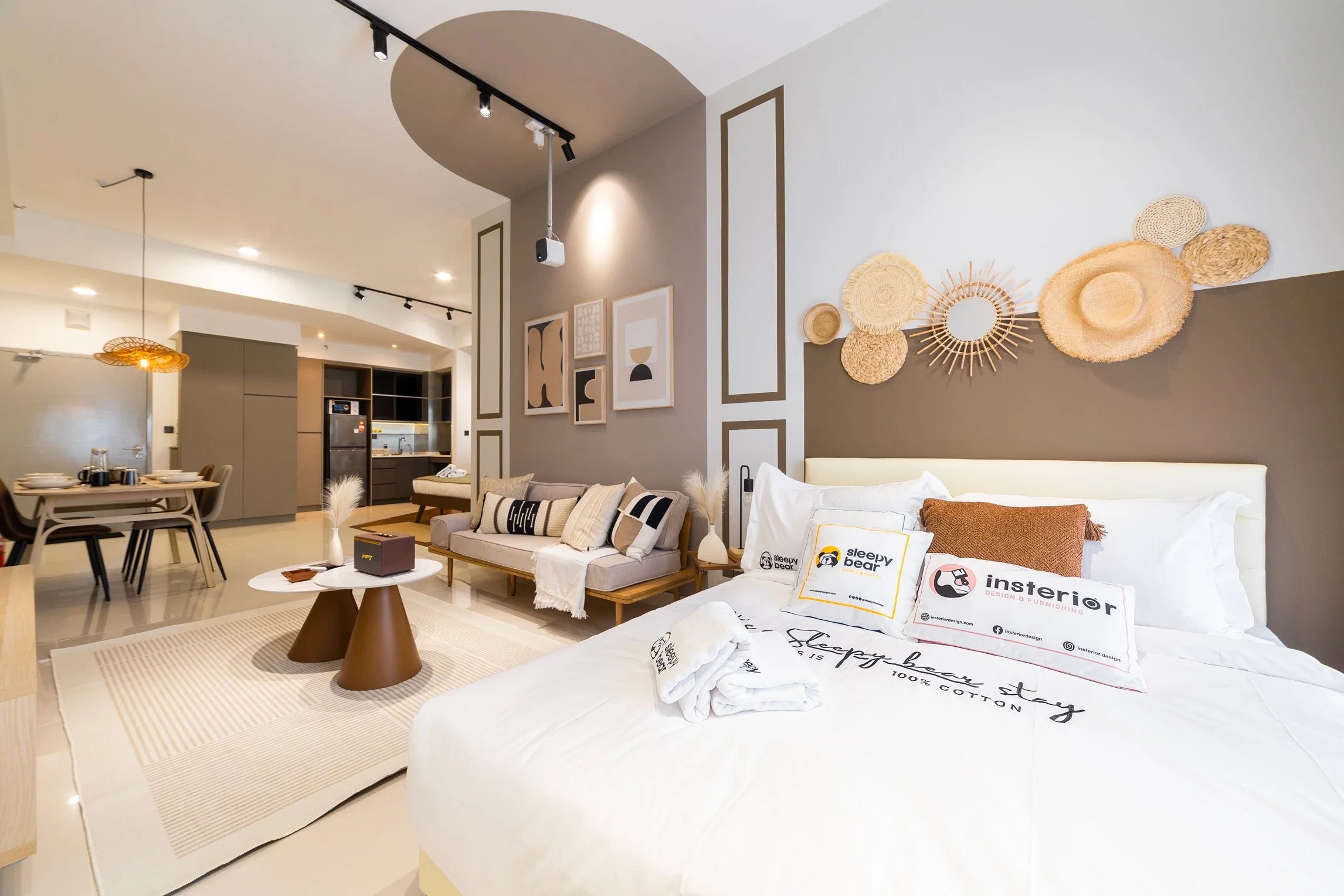
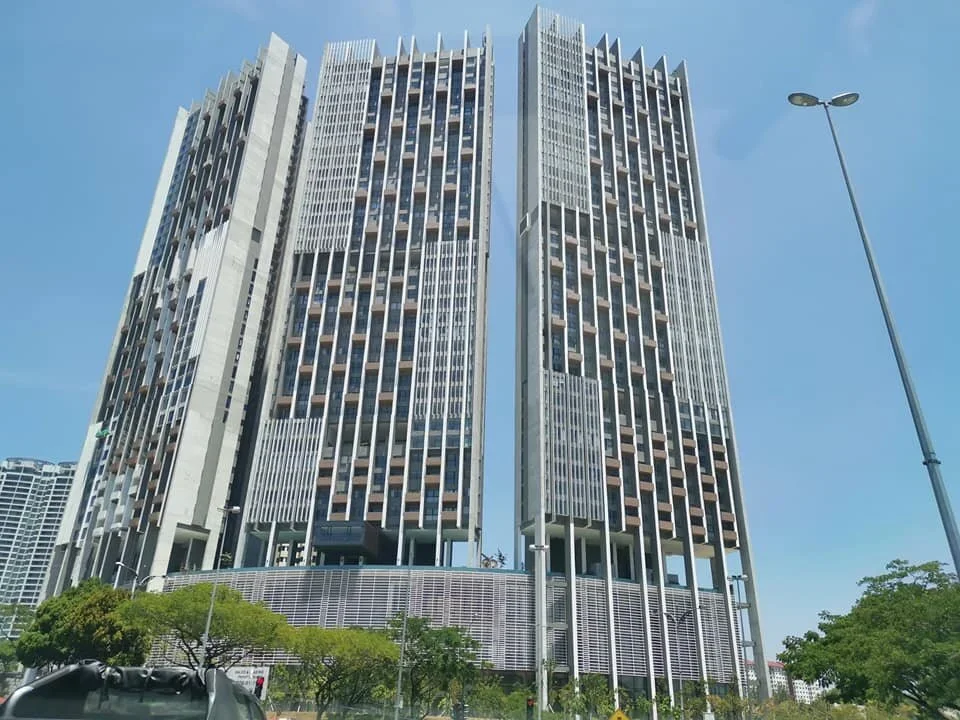
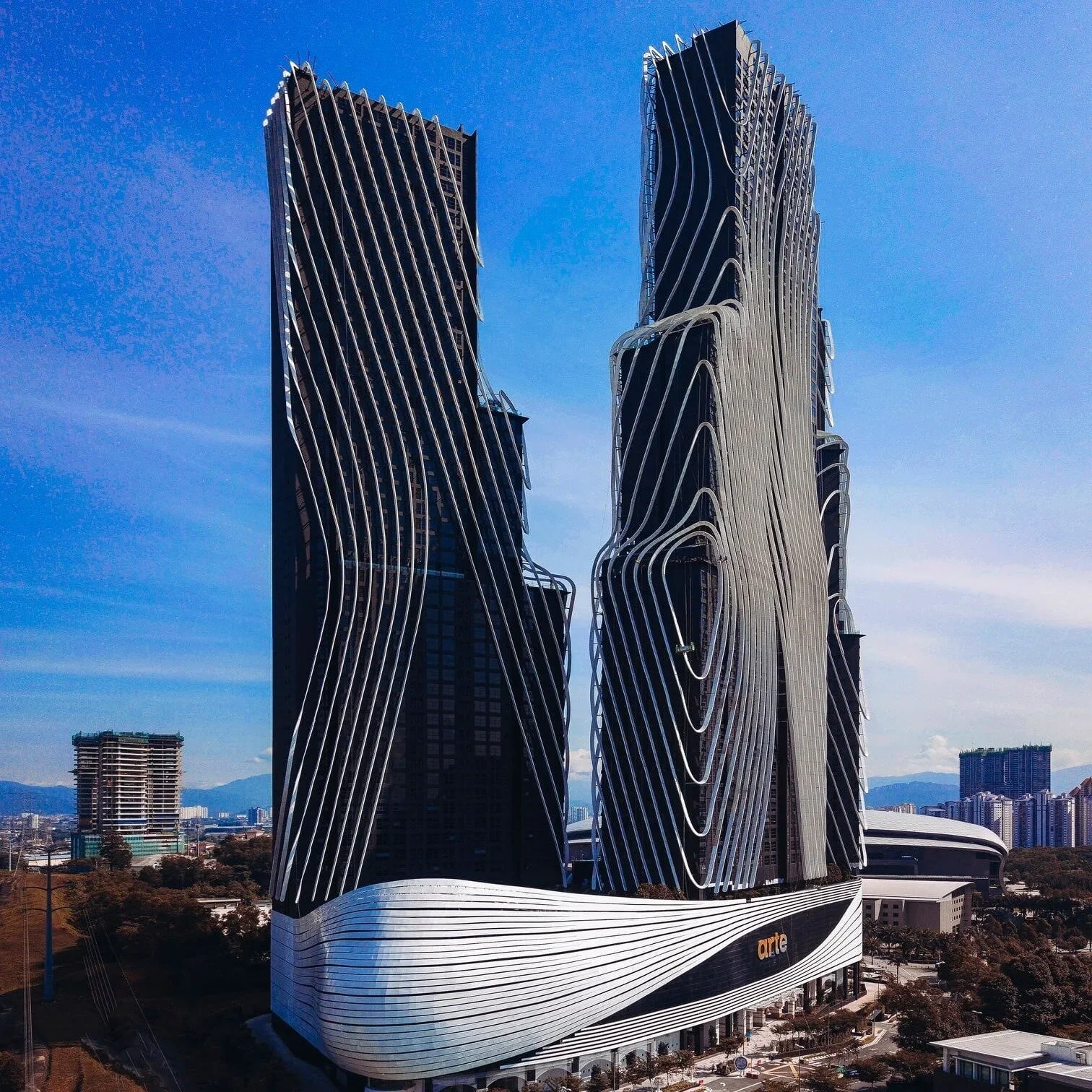
The Arte Series is known for its iconic, avant-garde architecture. However, unique spaces require specialized management to match the brand's prestige. Sleepy Bear Group collaborated with Arte Corp to provide "Luxe Series" hospitality management within Arte Star and Arte Solaris. Our team optimized the unit layouts to complement the bold architectural themes, ensuring that the interior experience lived up to the building's exterior promise. By utilizing dynamic pricing across multiple OTAs, we’ve maintained premium nightly rates that reflect the Arte brand's luxury positioning.
Project List
Arte Star, KLCC: High-yield luxury suites in the heart of Kuala Lumpur.
Arte Solaris, Mont Kiara: Sophisticated urban stays for the corporate and leisure traveler.
Project Gallery
The Result
20% Higher rental returns compared to standard long-term residential leases in the same area.
Seamless check-in/out operations handled by SBG’s on-ground hospitality team.
The Future of Transit-Oriented Living: Riveria City & Beyond
It All Begins Here
For Transit-Oriented Developments (TODs), the primary audience is the "mobile professional"—people who value time, connectivity, and flexibility. Titijaya Land Berhad partnered with Sleepy Bear Group to ensure their projects, such as Riveria City (The Riv), offered more than just a room. We curated "Urban Series" living spaces that function as both a home and a workspace. By managing the short-stay and co-living aspects of these units, we’ve helped Titijaya create a turnkey investment product. Buyers aren't just purchasing a unit; they are purchasing a managed asset that starts generating income the moment the keys are handed over.
Project List
Riveria City (The Riv), KL Sentral: Maximizing the potential of KL’s most connected transit hub.
HighPark Suites, Kelana Jaya: A success story in high-density, wellness-centric urban living.
Project Gallery
The Result
85% Average Occupancy at HighPark Suites.
Turnkey Solutions: Rapid unit transformation (design to listing) in under 30 days.